
Published April 25, 2025
Behind the Scenes of New Neighborhoods: What Those Dirt Mounds and Fences Really Mean

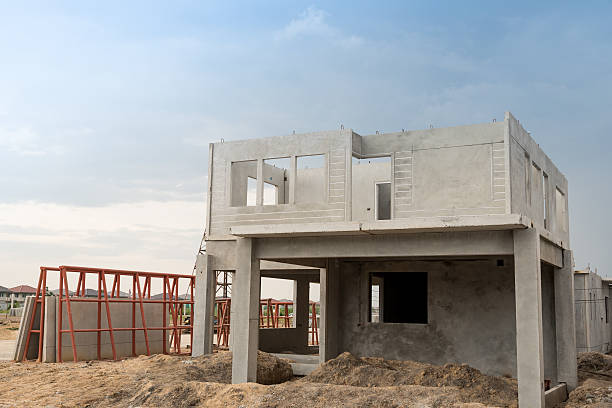
When driving past newly cleared lots or emerging neighborhoods, you may encounter huge mounds of dirt, black mesh fencing, bright new sidewalks, and neatly dug ponds. In the first instance, many of these features may seem like random parts of a construction site, but they are actually important pieces of the puzzle that all help contribute to responsible and sustainable land development.
Let’s look closely at what’s going on behind the scenes.
Why Are There Huge Mounds of Dirt?
Those towering piles of soil you see aren’t just leftovers—they’re actually part of a well-planned strategy:
- Future Use: Developers store dirt for later phases of the project. It’s reused for grading, landscaping, or filling in lots, which reduces hauling costs and environmental disruption.
- Grading and Leveling: Creating a smooth, level landscape for roads, homes, and community spaces requires a lot of material—this is where that dirt comes in.
- Erosion Control: Strategically placed dirt mounds can also help manage rain runoff and prevent soil erosion during construction.
The Hidden Purpose of Stormwater Ponds
Stormwater ponds are not just a pretty feature; it is functional in nature.
- Flood Control: These ponds catch and temporarily store rainwater, protecting homes and roads from flooding.
- Water Quality: They allow sediments and pollutants to settle before the water flows into nearby rivers or streams.
- Habitat Creation: With the right design, stormwater ponds can become homes for birds, frogs, and beneficial insects, adding ecological value to the neighborhood.
What’s With the Black Fencing?
That black mesh fencing you see around the edge of construction zones is called silt fencing, and it plays a key environmental role:
- Erosion Prevention: It keeps sediment from washing off the site and polluting nearby water bodies.
- Environmental Compliance: Local and federal laws often require silt fencing to protect natural resources and ensure builders are working sustainably.
Sidewalks and Curbs: More Than Just a Finishing Touch
These everyday elements contribute a lot to both function and form:
- Pedestrian Safety: Sidewalks give residents safe spaces to walk, jog, or bike, promoting a healthy, active community.
- Drainage Management: Curbs help direct rainwater to storm drains, preventing flooding and street damage.
- Curb Appeal: Well-planned sidewalks and curbs boost a community’s visual appeal and real estate value.
Paving The Way
From the very first shovel in the dirt to the last brush of paint on the sidewalk curb, everything in a residential development is done on purpose. Developers are concerned with the larger picture, community, safety, sustainability, and quality of life, and do not merely build houses.
The next time you pass a construction site, you will understand: the dirt piles, fences, and ponds are not merely part of the mess but are part of the magic that brings a neighborhood to life.