

Published March 14, 2024
Gardening at the beach, plants we should and shouldn't select this spring season

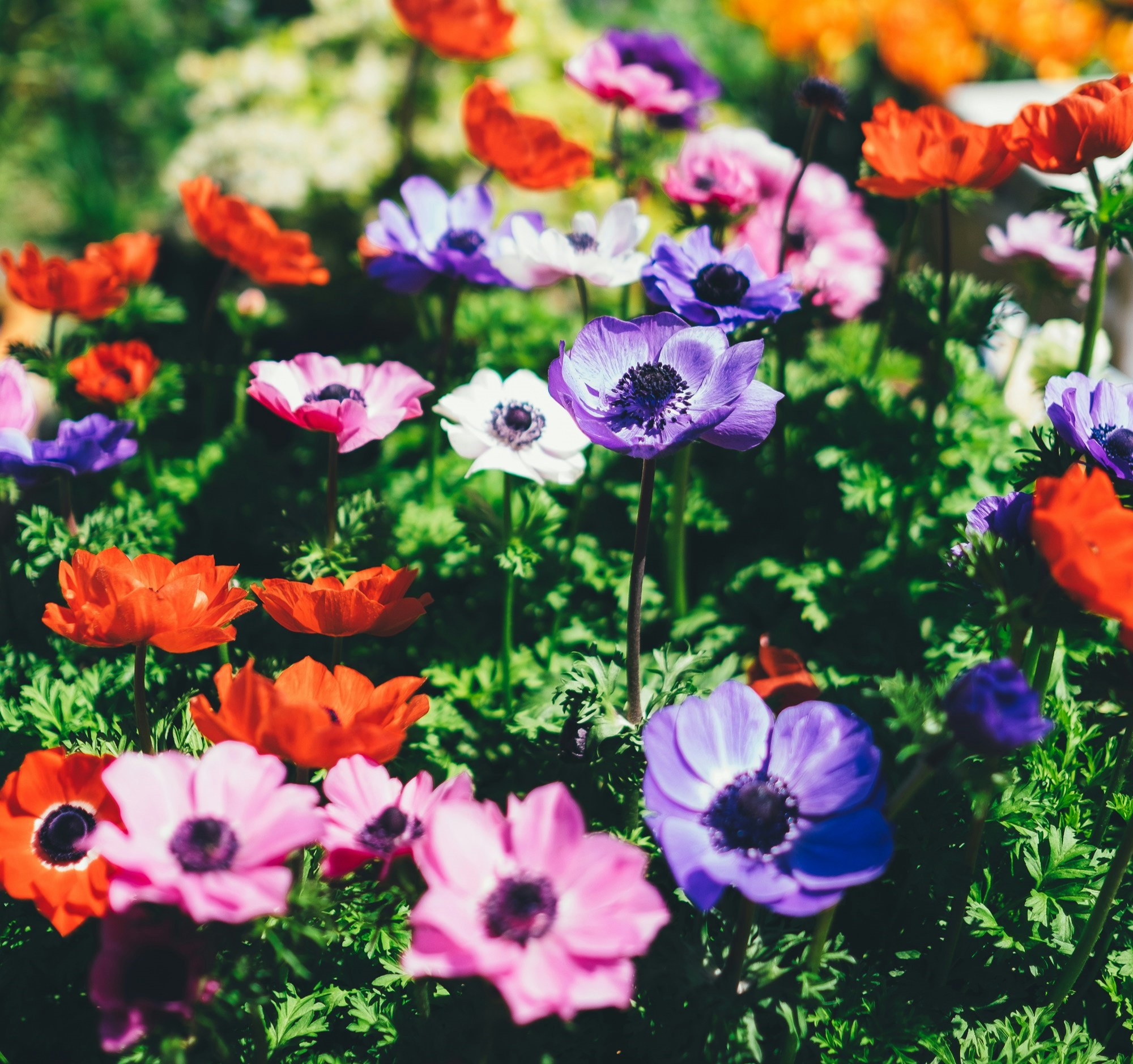
Recently, Colleen Windrow attended some continuing education classes, and one particular subject that sparked her interest was about the invasive species that we shouldn't be planting in our gardens. While spring is upon us all, we thought it would be wonderful to share this information with you too, as it could be helpful with your planning this spring to boost your curb appeal, not to mention helpful to our ecosystems and habitats that surround us in our local areas.
The Mid Atlantic - Delaware Beaches down to Ocean City MD, fall under hardiness zone 7 with northern areas cooler than the south. While we are known for our wonderful farm lands, you should still consider these zones while selecting your plants this year to ensure your plants thrive, choose native species, and steer clear of any invasive species (we’ve added a very informative link for you to check out below). Gardening in our coastal areas sometimes offers unique challenges due to their diverse landscapes. Split between the piedmont and coastal plains, the area presents varying soil types.
Soil Composition: Understanding soil is key. Clay soils retain water but lack sufficient air, while sandy soils drain well but struggle with nutrients. Loam strikes a balance, offering good drainage and nutrient retention.
Weather Variability: Unpredictable weather, with warm spells followed by frost, demands resilient plant choices. Late-blooming varieties help mitigate frost damage, while awareness of the frost-free date is crucial for tender plants.
Salt Damage: Salt from winter road treatments poses risks to plants near roadways. Spring rains typically flush out salt, but coastal areas face prolonged exposure. Opting for salt-tolerant plants mitigates this issue.
Soil pH: Soil acidity varies, affecting plant health.
Lawn Care: Delaware's location in the turf transition zone complicates lawn maintenance. Drought-resistant turf like tall fescue, is ideal, but be prepared for variations in weather patterns.
While keeping all this in mind, we’ve added a link here for you to check out with valuable information brought to us by The Delaware University and the Delaware Nursery & Landscape Association, highlighting livable plants, livable landscapes, controlling backyard invaders, livable eco-systems and livable lawns.
https://dnlaonline.org/resources/livable-delaware/
Did you know you can send in plant samples to The Delaware University? Click this link below to find out more.
Embrace the joys of gardening this spring by selecting resilient plants that will thrive in our area.
Tag us in your gardening posts, we’d love to see them!

Erik Windrow
Team Leader | Realtor | Windrow Group
or another way