

Categories
Cheasapeake Bay BridgePublished March 20, 2025
The Chesapeake Bay Bridge: A Gateway to Growth and Transformation

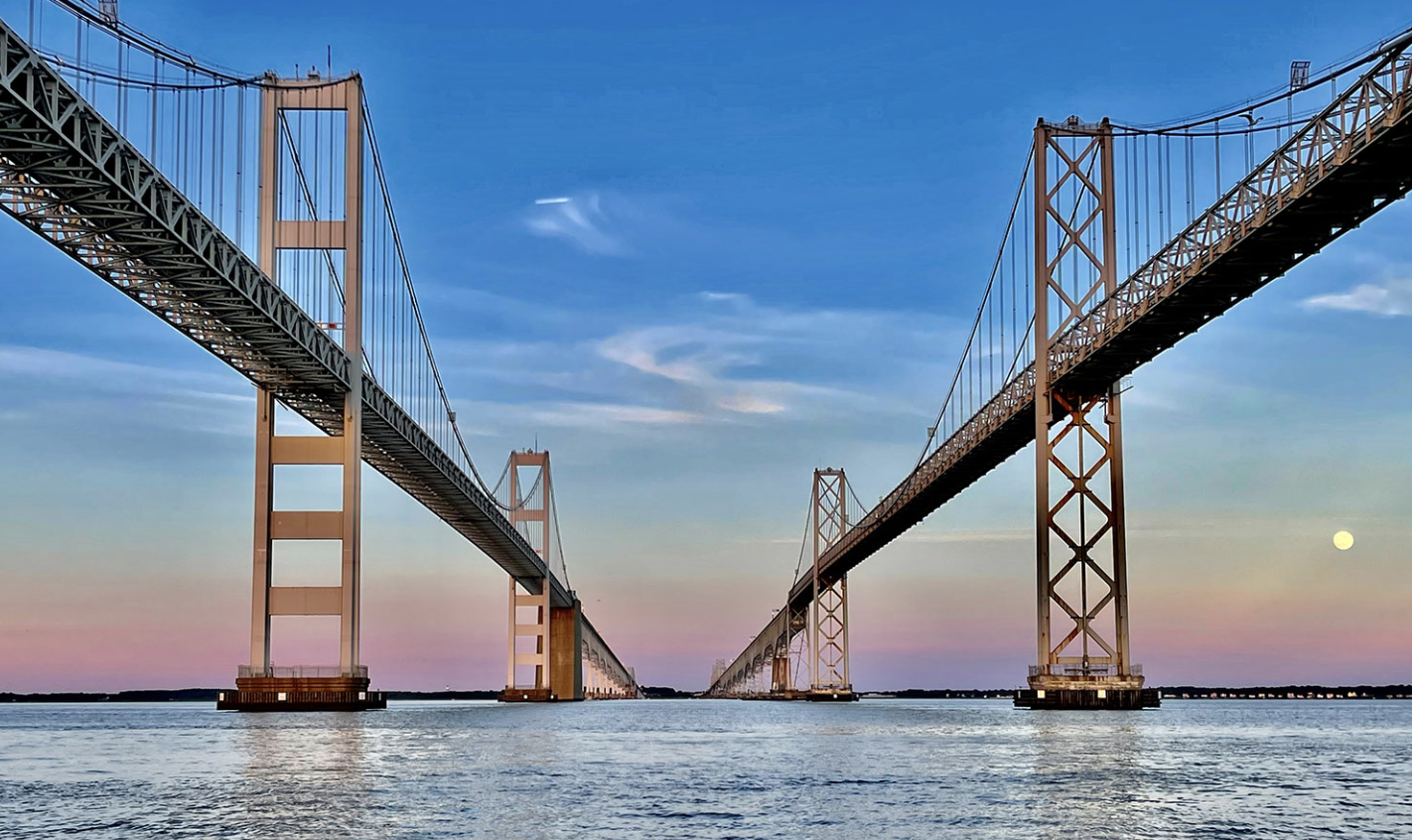
The Chesapeake Bay Bridge, officially named the William Preston Lane Jr. Memorial Bridge, is a marvel of engineering and a cornerstone of Maryland’s development. By connecting the rural Eastern Shore with the urban Western Shore, the bridge has profoundly influenced real estate trends, economic growth, and regional accessibility.
A Brief History of the Chesapeake Bay Bridge
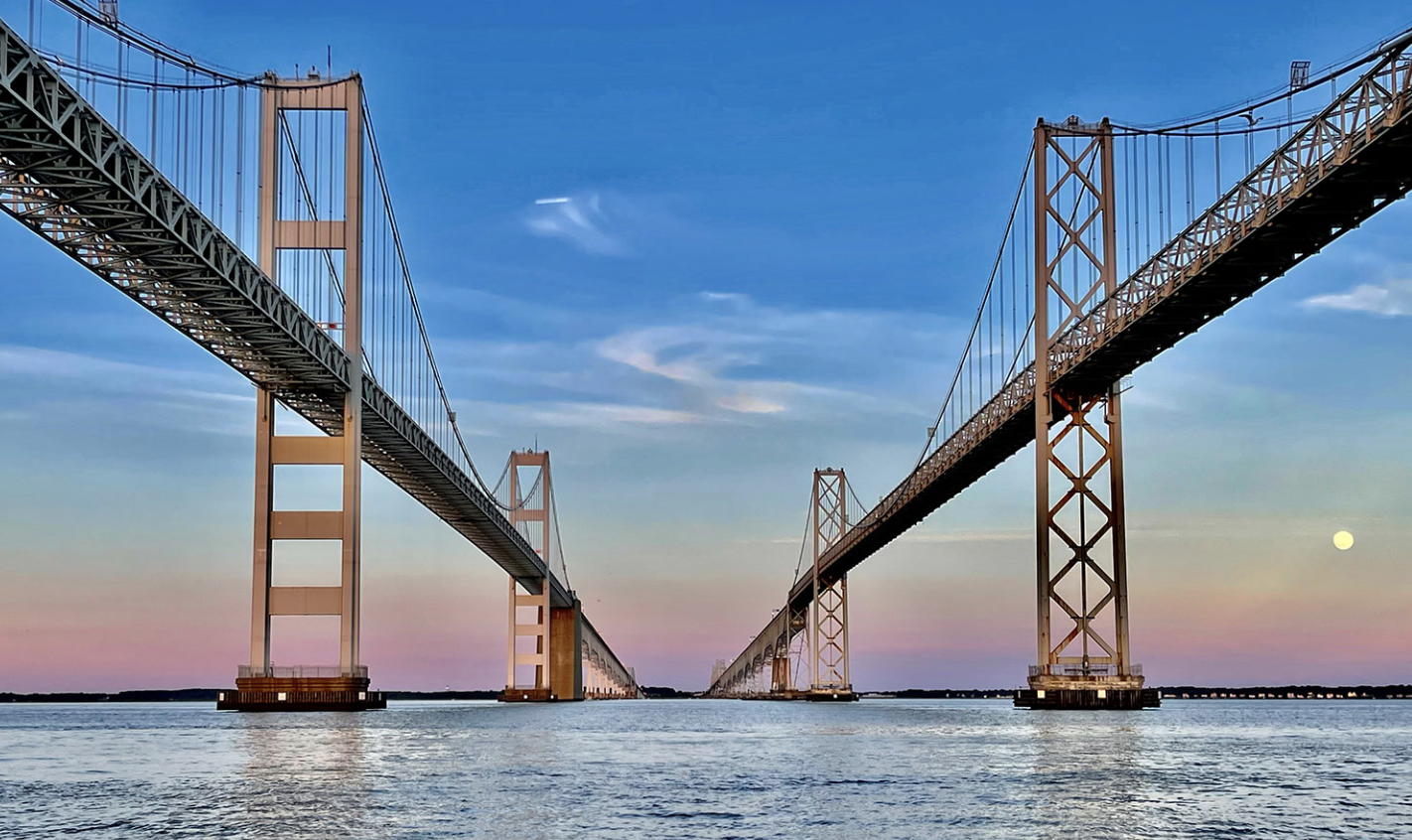
The idea of constructing a bridge across the Chesapeake Bay dates back to the 1880s. However, plans didn’t materialize until 1947, leading to the commencement of construction in 1949. The original span, stretching approximately four miles, was completed and opened to traffic on July 30, 1952. At the time, it was the longest continuous over-water steel structure in the world. A parallel span was later constructed to accommodate increasing traffic demands, with work beginning in 1969 and completed in 1973.
The Bridge’s Impact on Maryland’s Eastern Shore
Before the bridge was built, the Eastern Shore was largely isolated, with access limited to ferries or long road trips. The bridge revolutionized connectivity, bringing significant changes to the region:
- Real Estate Development: The improved accessibility spurred residential and commercial growth. Once-remote areas became prime real estate, attracting both businesses and homeowners looking for a balance between coastal serenity and urban convenience.
- Economic Growth: The bridge facilitated tourism and commerce, leading to a boom in the hospitality, retail, and service industries. Small towns on the Eastern Shore saw an influx of visitors and new residents, boosting local economies.
- Cultural Exchange: By bridging distinct regions of Maryland, the structure encouraged cultural interaction and integration, enriching the Eastern Shore’s social and cultural landscape.
Community Events and Activities
Beyond its role as a transportation artery, the Chesapeake Bay Bridge serves as a venue for community engagement. One of the most notable events is the annual “Across the Bay 10K” race, which draws thousands of participants who run across the bridge, enjoying breathtaking views of the bay while fostering community spirit.
Looking to the Future
As traffic congestion continues to rise, discussions around expanding the bridge or constructing additional crossings remain ongoing. Future infrastructure projects aim to balance growth with environmental conservation, ensuring that the Eastern Shore retains its unique charm while meeting modern transportation demands.
Final Thoughts
The Chesapeake Bay Bridge is far more than a physical connection between two shores—it has been a catalyst for transformation. By shaping real estate trends, fueling economic expansion, and fostering cultural connectivity, the bridge remains a vital part of Maryland’s landscape, linking communities and supporting progress for future generations.

Erik Windrow
Team Leader | Realtor | Windrow Group
or another way