
Published May 9, 2025
The Common Tern: A Migratory Marvel of the Eastern Shore

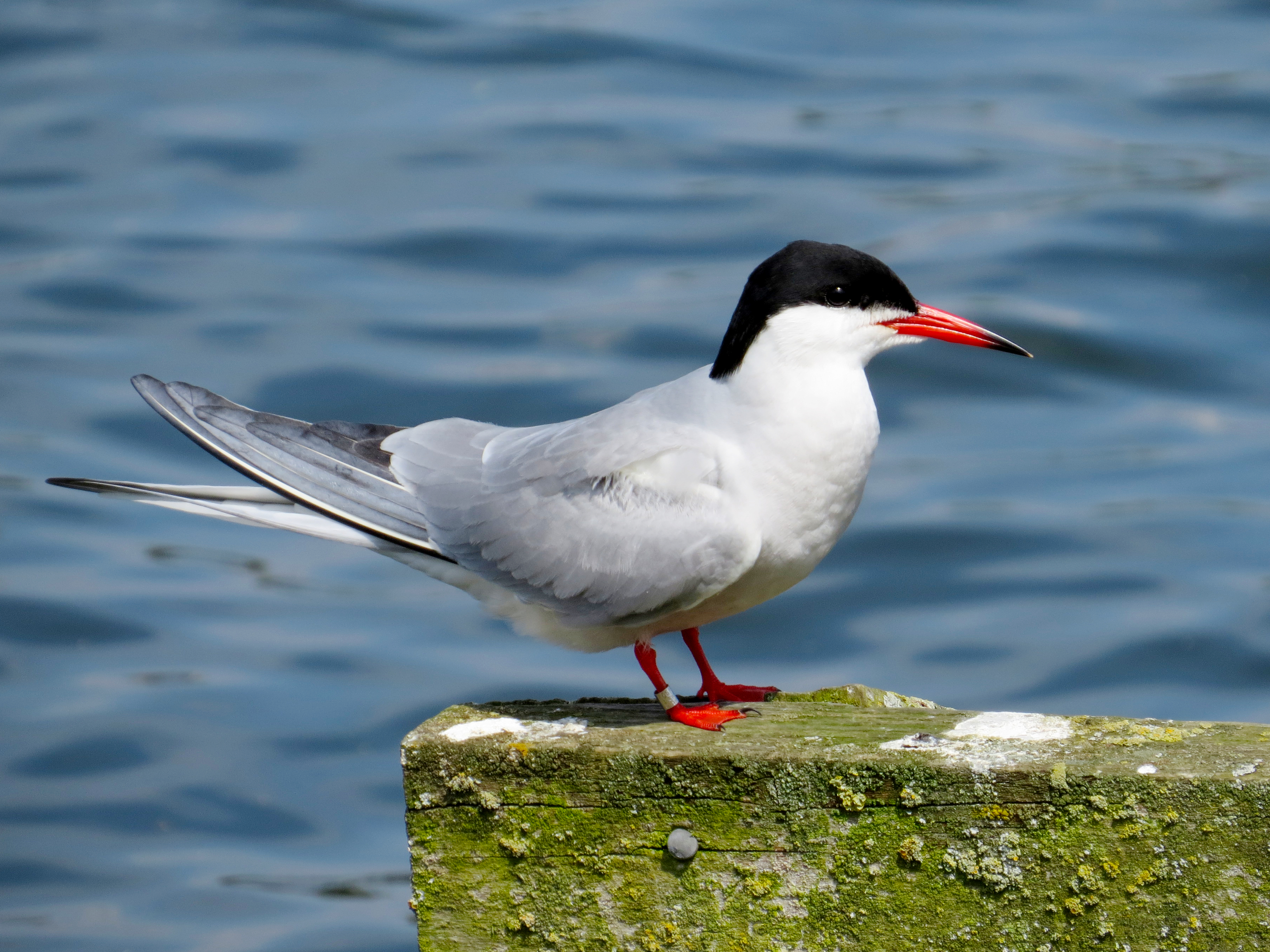
Every spring and fall, the skies over Maryland and Delaware's Eastern Shore come alive with the graceful flight of the Common Tern—a slender, sharp-winged seabird whose incredible migratory journey and striking appearance make it a favorite among birdwatchers and naturalists alike.
Spotting the Common Tern
With sleek bodies, pointed wings, and a distinctive black cap, Common Terns are easy to recognize as they glide and dive near coastal waters. During the breeding season, their bright orange-red bills and legs stand out, adding a splash of color to the shoreline. These agile flyers are especially captivating to watch as they plunge toward the water’s surface in pursuit of small fish.
A Journey Across Continents
The migration story of the Common Tern is nothing short of epic. These birds travel thousands of miles each year—from breeding grounds in North America to wintering areas in Central and South America. Along this long journey, the Eastern Shore of Maryland and Delaware serves as a vital stopover where terns rest, feed, and, in many cases, breed.
Why the Eastern Shore Matters
Coastal gems like Assateague Island, Chincoteague National Wildlife Refuge, and Cape Henlopen State Park offer the perfect mix of sandy beaches, tidal flats, and salt marshes—exactly what Common Terns need to thrive. These habitats not only support the birds during their travels but also serve as nesting grounds in early summer.
As spring arrives, large flocks of terns touch down to refuel. Their diet of small fish and invertebrates helps them recover from long flights. By early summer, nesting colonies begin to form, with chicks hatching and preparing for their own future migrations.
Conservation: Protecting a Global Traveler
Despite the richness of the Eastern Shore, Common Terns face growing challenges. Habitat loss, coastal development, climate change, and human disturbance threaten their survival. Fortunately, dedicated conservation efforts are in place. Wildlife agencies and organizations work to monitor populations, restore habitats, and protect nesting areas through seasonal access restrictions and public education.
How to Experience the Magic
For those eager to witness this spectacle, the Eastern Shore offers incredible birdwatching opportunities. Peak seasons—spring and early autumn—are ideal times to visit wildlife refuges or join guided tours. Watching a Common Tern dive for its next meal or hearing its sharp “kee-arr” call can be a highlight of any coastal adventure.
A Coastal Commitment
The story of the Common Tern is a reminder of the delicate balance in our natural world. The Eastern Shore’s preserved landscapes provide more than just beautiful views—they’re lifelines for migrating species like the Common Tern.
By protecting these habitats, we ensure that future generations can continue to marvel at the elegance and endurance of this incredible seabird. So next time you walk along the shore, look up—you might just catch a glimpse of one of nature’s most determined travelers, soaring toward the horizon.