
Published May 16, 2025
The Delmarva Horseshoe Crab: A Living Fossil of the Delaware Coast

Background:
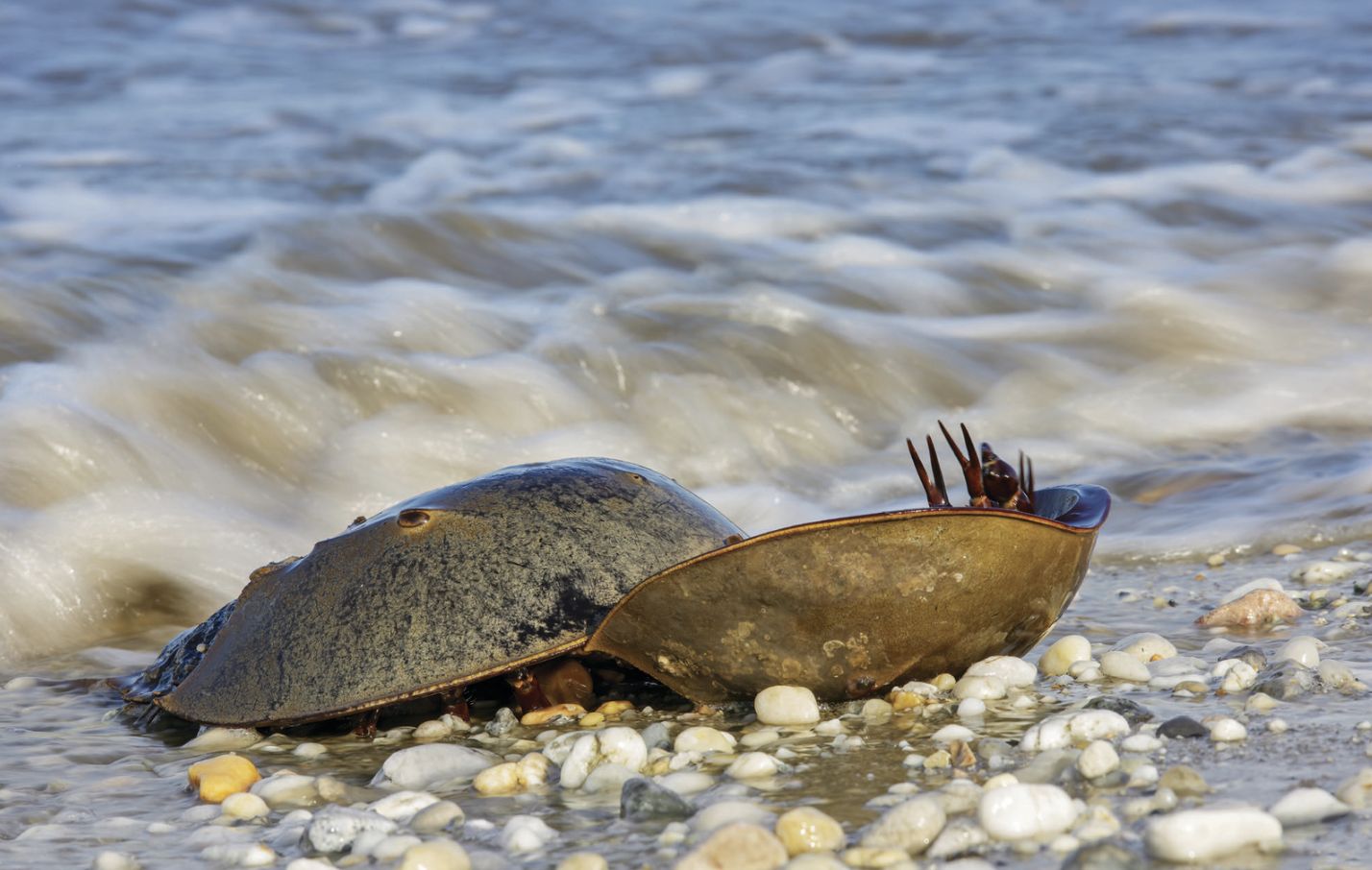
With the full moon shining on the bay of Delaware, every spring, an ancient act of nature begins to take its course on the shores of Delmarva. The horseshoe crab —often thought to be an ancient relic— trudges through the sandy beaches to spawn, in this manner continuing a cycle for over 400 million years. This prehistoric site is more than an interesting curiosity; it performs an essential role in the ecology of the region —and in modern medicine.
About the Horseshoe Crab:
Horseshoe crabs are not crabs in any sense of the word. These critters are most closely related to spiders and scorpions. They appear to be ocean-armored tanks, with their hardened, dome-like shells and spiny tails; however, they are lovely, docile creatures. The horse-crabs along the Delmarva Peninsula are called Atlantic horseshoe crabs (Limulus polyphemus)—the biggest among 4 different species of horseshoe crabs that exist around the globe.
Springtime Show:
Usually, between May and June, thousands of horseshoe crabs come to shore at the highest tides of full and new moons to lay their eggs. In this way, the Delaware Bay region —most prominently around Broadkill Beach, Slaughter Beach, and Kitts Hummock— harbors the largest spawning population in the world. It is surreal watching ancient animals covering the beach, a living testimony to the deep past of Mother Earth.
The Role of Crabs
Horseshoe crabs are significant to the coastal ecosystem: their tiny green eggs are eaten by migratory shorebirds like the red knot, which travels from South America to the Arctic and depends on the ephemeral food supply of eggs to refuel. But their significance does not end at the shore. Their blue blood, due to copper-based hemocyanin, contains a substance known as LAL (Limulus Amebocyte Lysate), which is used to detect bacterial toxins. LAL is used to test safety for vaccines, IV drugs, and surgical implants, including every COVID-19 vaccine. Thus, this ancient creature helps to save lives.
Threats to and Conservation of Horseshoe Crabs
Despite all this, horseshoe crabs are threatened by overharvesting (especially for bait in eel and conch fisheries), habitat degradation, and climate change. Laws to restrict taking and programs for their conservation were put in place in Delaware to protect these creatures. Organizations like the Delaware Bay Estuary Project, The Nature Conservancy, and local volunteers work hard towards monitoring and sustaining these populations.
How You Can Help
- Volunteer for horseshoe crab spawning counts or beach rescue missions.
- Take trips responsibly: avoid disturbing crabs and trampling eggs during spawning season.
- Support conservation efforts aimed at the Delaware Bay ecosystem.
- Raise awareness about the ecological and medical value of these remarkable creatures.
In Awe of Ancient Life
The Delmarva Peninsula isn’t just a summer getaway — it’s a front-row seat to one of the oldest life cycles on Earth. Next time you walk the beach during late spring, pause and take a look. That horseshoe crab at your feet might be older than the dinosaurs — and more important than you ever imagined.
Want to See It for Yourself?
Check out the best spots for horseshoe crab viewing in Delaware:
- Slaughter Beach
- Kitts Hummock
- Bowers Beach
- Prime Hook National Wildlife Refuge
Bring a flashlight, wear shoes you don’t mind getting sandy, and prepare to witness one of the Mid-Atlantic’s greatest natural wonders.
Enjoyed this blog?
For more local insights, nature features, and lifestyle content from the Delmarva and Delaware coast, follow The Windrow Group. Whether you're a local, a beach lover, or thinking about owning a home near the shore, we share stories and updates that connect you with the heart of our community.