
Published July 11, 2024
Understanding Summertime Squalls along the Coastal Regions of the United States

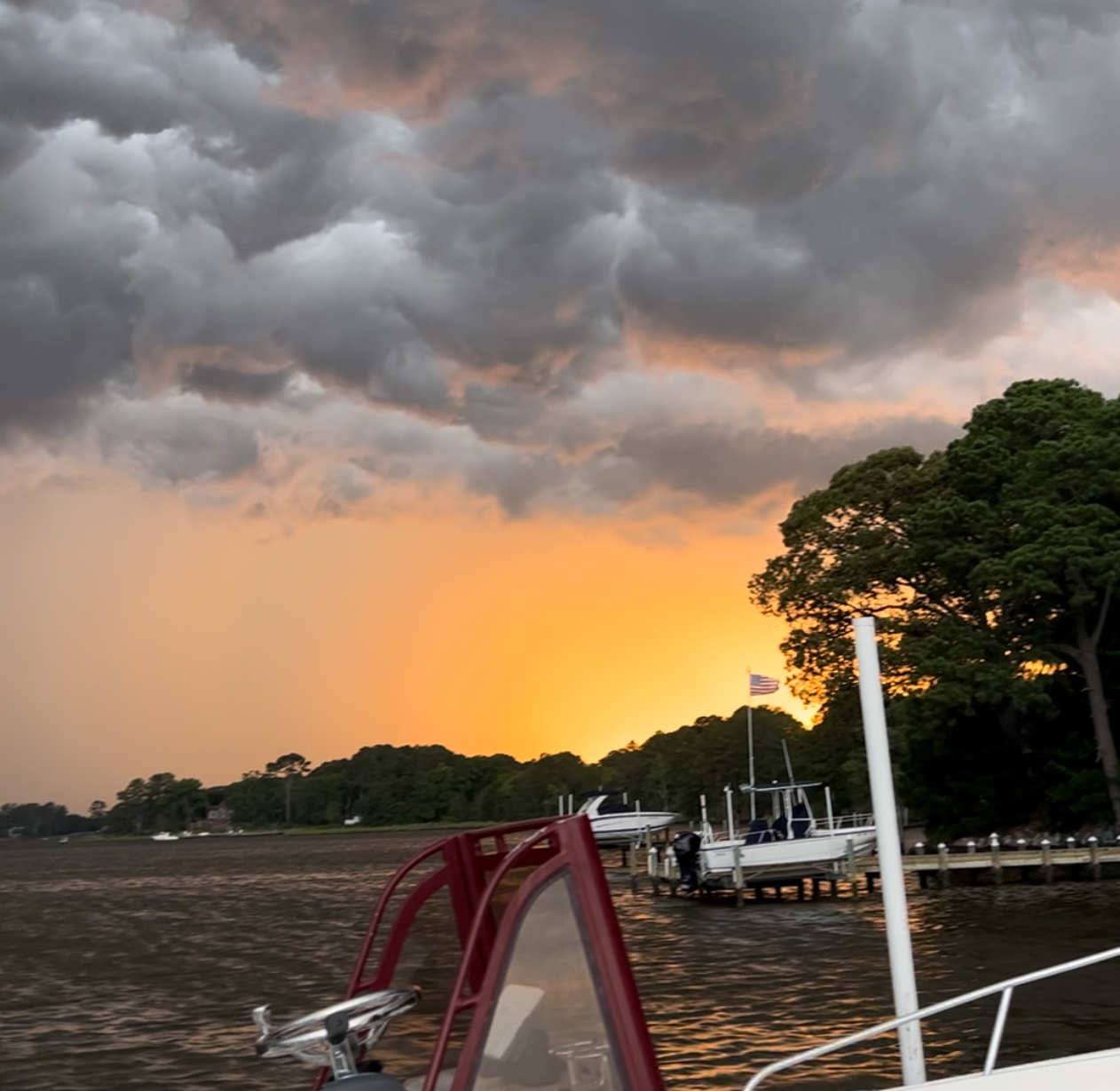
Sometimes, there's nothing quite like the thrill of watching an exhilarating lightning show or listening to the rhythmic sound of a storm from the comfort of your home. However, today we're diving into a different kind of weather phenomenon... summertime squalls. These sudden, intense bursts of wind, rain, and lightning can be as fascinating as they are unpredictable, especially along the coastal regions of the United States. Let's explore what causes these squalls, why they're so common in coastal areas, and what impact they present.
What We Know About Squalls
Squall Formation
Convection and Instability: Warm, humid air rises and cold, dry air descends, and this process is the main cause of squalls. In summer, coastal areas frequently receive strong solar heating, which raises the temperature of the surface air. Warm air has the tendency to cause atmospheric instability when it rises, which can result in the development of cumulonimbus clouds, the predecessors of squalls.
Cold Fronts: The passage of cold fronts is a common cause of squalls. A cold front is a line that divides warmer and colder air. Warm, humid air is forced to rise quickly when a cold front passes over it, resulting in the formation of thunderstorms and squalls.
Coastal Geography's Role
Sea Breezes: Because of the temperature differential between the ocean and the land, coastal areas are particularly prone to sea breezes, which are winds that blow from the sea to the land. Cooler air is drawn from the ocean by a pressure differential created during the day as the land heats up more quickly than the water. There is a chance that this sea breeze will combine with other meteorological systems, increasing the chance of squall formation.
Humidity Levels: Because they are close to huge bodies of water, coastal areas tend to be more humid overall. Increased humidity levels supply the moisture that thunderstorms and squalls require to form.
Regional Climate Patterns
Gulf of Mexico Influence: The Gulf of Mexico has a major influence on the weather in the Gulf Coast region, causing high humidity levels and a lot of thunderstorm activity in the summer. Squalls can form quickly in the Gulf's warm, humid air, especially when paired with other atmospheric disturbances.
Dynamics of the Atlantic Ocean: The ocean continuously supplies energy and moisture, and the Atlantic Coast is subject to similar impacts. The Eastern Seaboard can see an increase in squall activity due to the interplay between tropical systems and mid-latitude weather trends.
Squalls' Impacts on Coastal Areas
1. Safety Concerns: Beachgoers, boaters, and outdoor enthusiasts are at significant risk from squalls. Strong winds and lightning can appear out of nowhere, posing a threat to safety and requiring prompt response.
2. Economic Implications: Squalls can cause operational disruptions and financial losses for businesses that depend on outdoor recreation and tourism. This is especially important for areas like Ocean City, Maryland, where beach tourism plays a big role in the local economy.
3. Effects on the Environment: Squalls can harm natural ecosystems and cause erosion and floods in coastal areas. It is essential for efficient coastal management and conservation efforts to comprehend and anticipate these occurrences.
Summertime squalls are intricate weather events that are impacted by a number of factors, including coastal geography, regional climate trends, and atmospheric dynamics. Coastal areas of the United States are especially vulnerable to these abrupt and severe weather events due to the interaction of warm, humid air, sea winds, and atmospheric instability. Residents, businesses, and authorities may better prepare for and respond to these natural phenomena, guaranteeing safety and reducing interruptions, by understanding the science behind squalls and their repercussions.
It is strongly advised to examine weather channels and scientific data for more precise and current information. These resources are essential for staying up to date on storm activity along the coast since they offer both advance warnings and real-time updates.

Erik Windrow
Team Leader | Realtor | Windrow Group
or another way